In honor of back to school month, we asked you to read a book set on a college campus. Congratulations to Nandana Nishanth, our September winner, who takes home a Northeastern notebook and pen set to get ready for a busy semester. And congratulations to everyone who participated last month.
Here are some of the titles you enjoyed. (Reader comments may be edited for length or clarity.) Remember, to participate in the 2026 Reading Challenge, make sure to tell us what you read each month.
What You Read in September
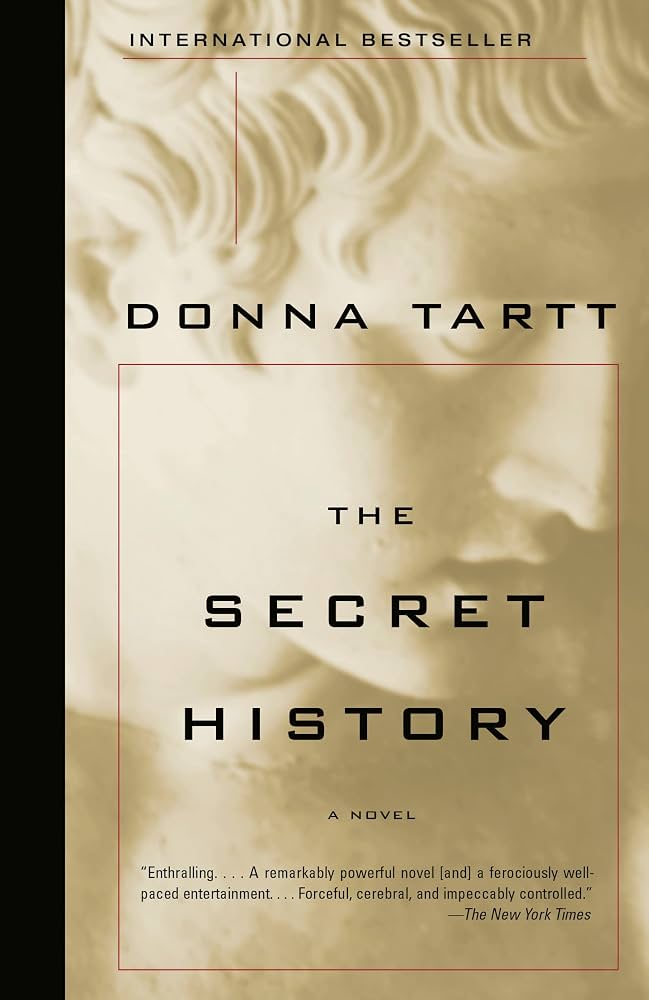 The Secret History: A Novel, Donna Tartt
Find it at Snell Library | Find it at F.W. Olin Library | Read the e-book
“This book threw me for a loop and kept me guessing at what the characters would do, even when the first chapter told me the ending. The combination of a tight-knit college friend group, Greek studies, and Vermont landscapes made this book so campy and fun. I couldn’t put it down.” — Ella
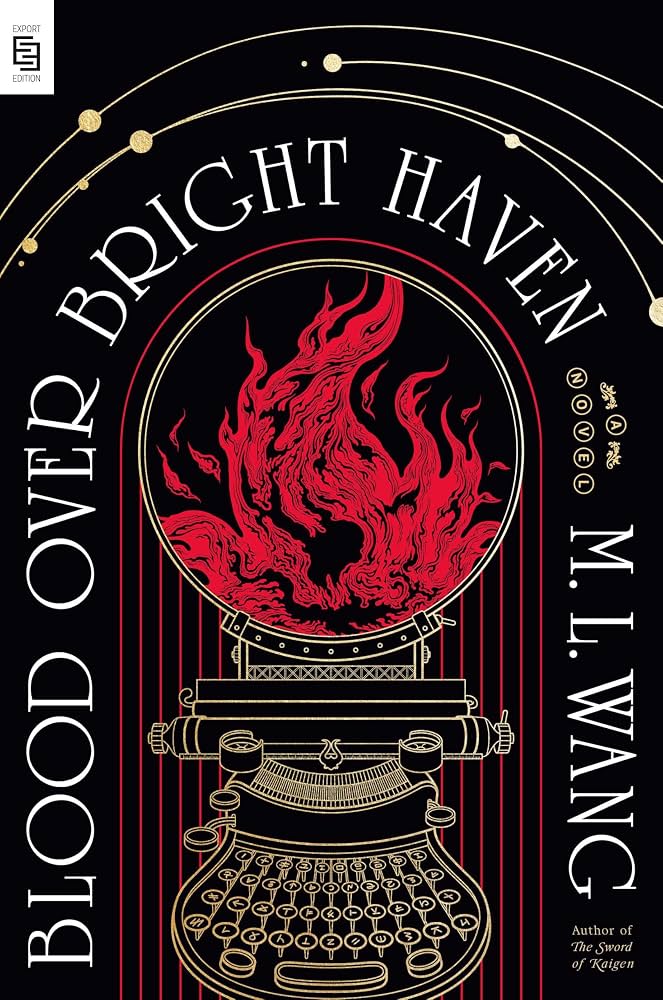
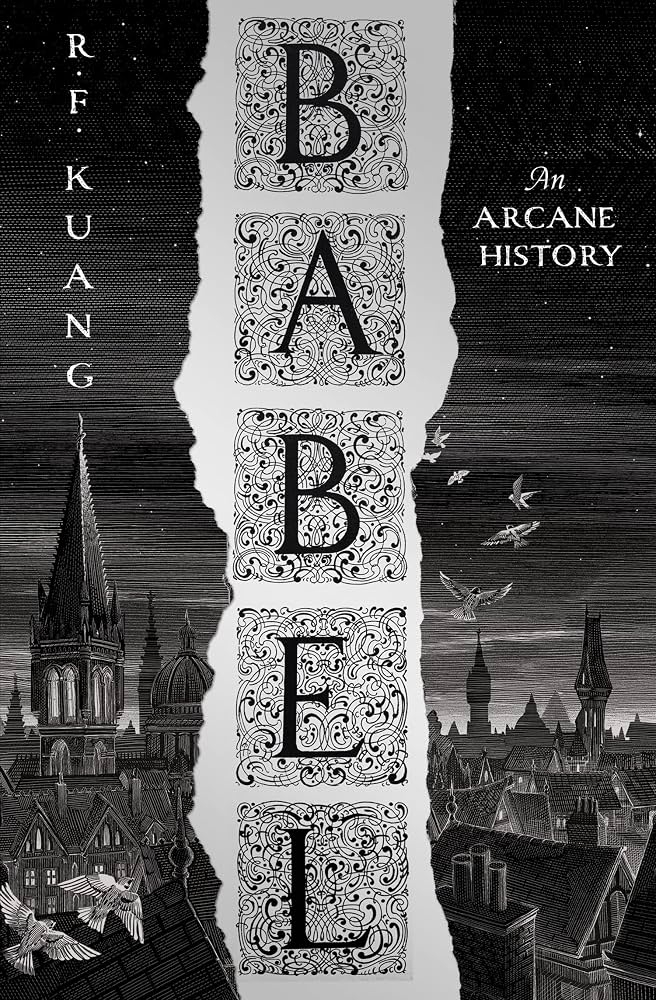 Babel: Or, the Necessity of Violence: An Arcane History of the Oxford Translators’ Revolution, R.F. Kuang
Find it at Snell Library | Find it at F.W. Olin Library | Read the e-book
“A dark academia historical fantasy set in the 1830s at Oxford University. This novel that explores the British Empire’s overwhelming power creates a magical system with silver and language that is not only fascinating, but helps demonstrate the exploitative power of the empire.” — Addie
“It’s a fantastic read. Deals with colonialism and what it means for people all over the world. It’s a brilliant introduction to intersectionality of decolonial movements and feminist movements.” — Abirami
“While the book itself decodes the origins of the colonial language English and traces its roots through the lens of magic and translations, it can be reinterpreted to understand the constructions of today’s artificial intelligence and its origins. Imagining coding as the mode of translation, through which commands stemming from human interactions, discoveries, and creations are built and delivered by chatbots to users.” — Neelima
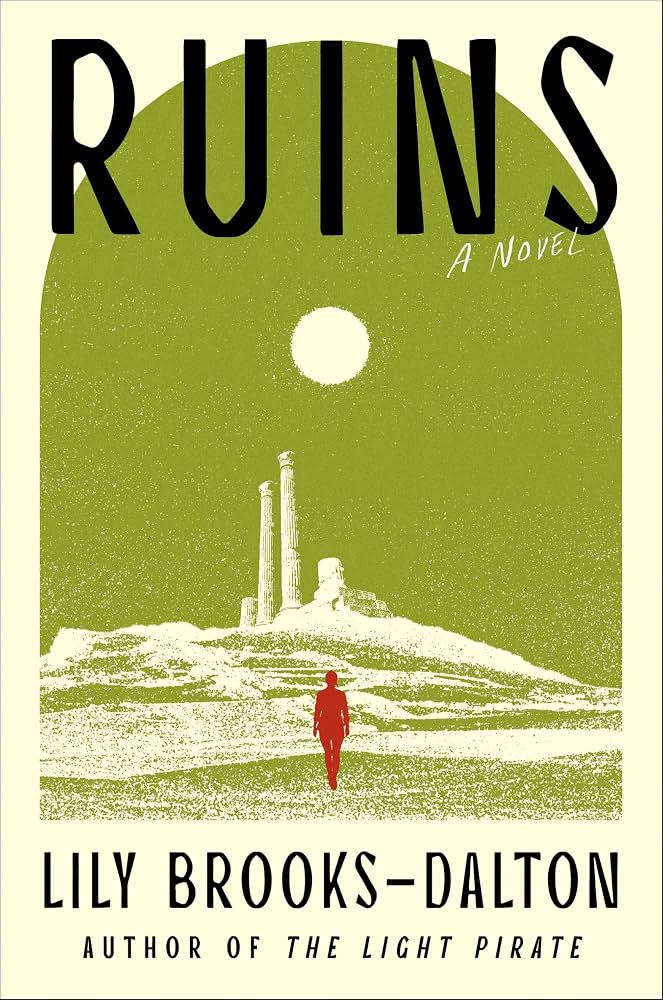 Ruins: A Novel, Lily Brooks-Dalton
Find it at Snell Library | Read the e-book
“This is a journey of discovery questioning the depths of human endurance. Following the ambitions of Ember, we see how she navigates between the structures of her life, and her compulsion to keep searching for what she feels is missing.” — Vikki
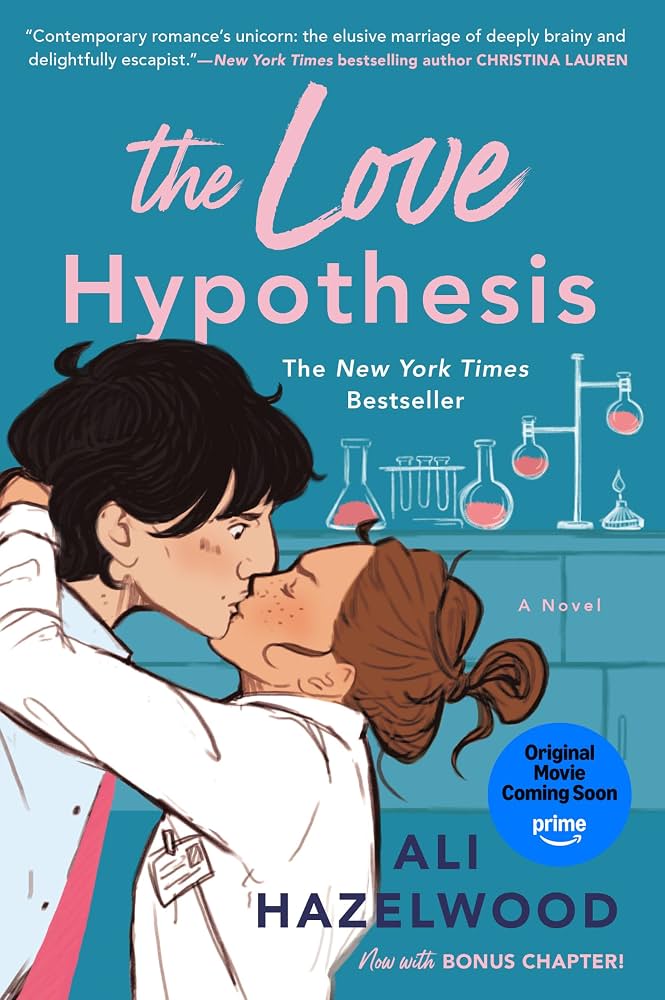 The Love Hypothesis, Ali Hazelwood
Find it at Snell Library | Read the e-book
“I loved the fake dating trope and the slow burn between Olive and Adam. Their chemistry was really fun, and I especially liked the banter and all the little moments where their feelings for each other started becoming obvious. It was funny, romantic, and had just enough drama to keep me interested.” — Sandy
“As a new student at Northeastern’s Seattle campus this fall, this is my first month participating in the Reading Challenge, and I’m so excited to be a part of it. I absolutely loved revisiting Olive and Adam’s story. Their chemistry, the slow burn, fake dating, and all the tension and emotion between them made this such a fun reread. Olive is such a sweetheart, and Adam? Honestly, I have no words for him.” — Kavya
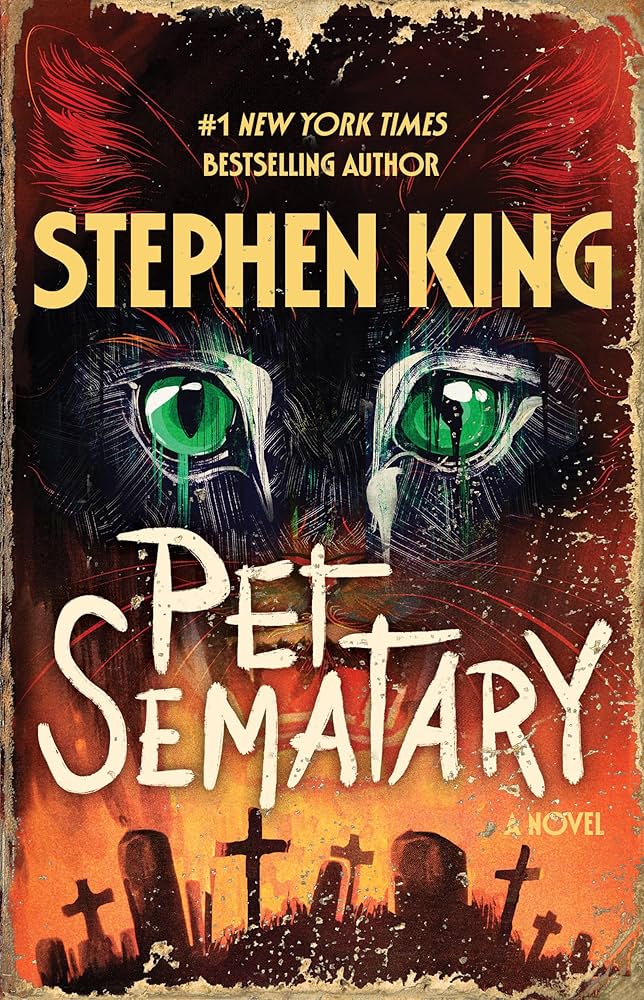 Pet Sematary: A Novel, Stephen King
Find it at Snell Library
“While this book doesn’t take place exclusively on a college campus, the main character is the head doctor at a university infirmary and an important early scene that takes place there influences the rest of the book and is regularly called back. Stephen King believes Pet Sematary is his scariest book so it was a perfect start to the spooky season!” — Kerri
What to Read in October
At the end of October, the library will be celebrating Global Media and Information Literacy Week. With that in mind, we’re challenging you to read a book of investigative journalism. For inspiration, check out the highlighted reads below, and browse the full list of suggested e-books and audiobooks. Be sure to tell us what you read to enter the October prize drawing!
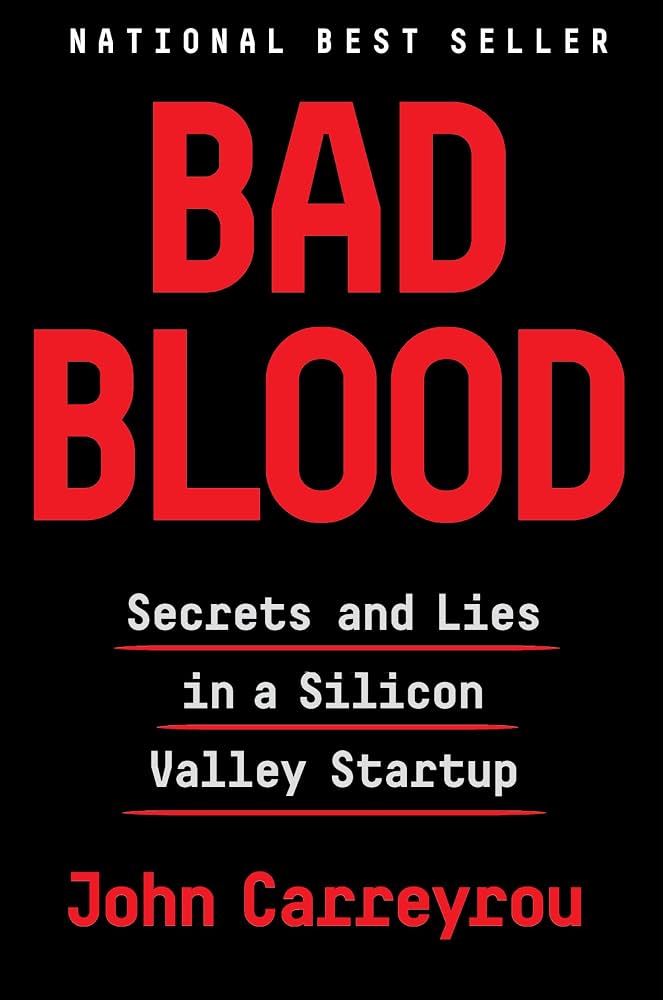 Bad Blood: Secrets and Lies in a Silicon Valley Startup, John Carreyrou
Find it at Snell Library | Find it at F.W. Olin Library | Read the e-book | Listen to the audiobook
In 2014, Theranos founder and CEO Elizabeth Holmes was widely seen as the next Steve Jobs: a brilliant Stanford dropout whose startup “unicorn” promised to revolutionize the medical industry. Backed by investors such as Larry Ellison and Tim Draper, Theranos sold shares in a fundraising round that valued the company at more than $9 billion, putting Holmes’ worth at an estimated $4.5 billion. There was just one problem: The technology didn’t work. Erroneous results put patients in danger, leading to misdiagnoses and unnecessary treatments. All the while, Holmes and her partner, Sunny Balwani, worked to silence anyone who voiced misgivings — from journalists to their own employees.
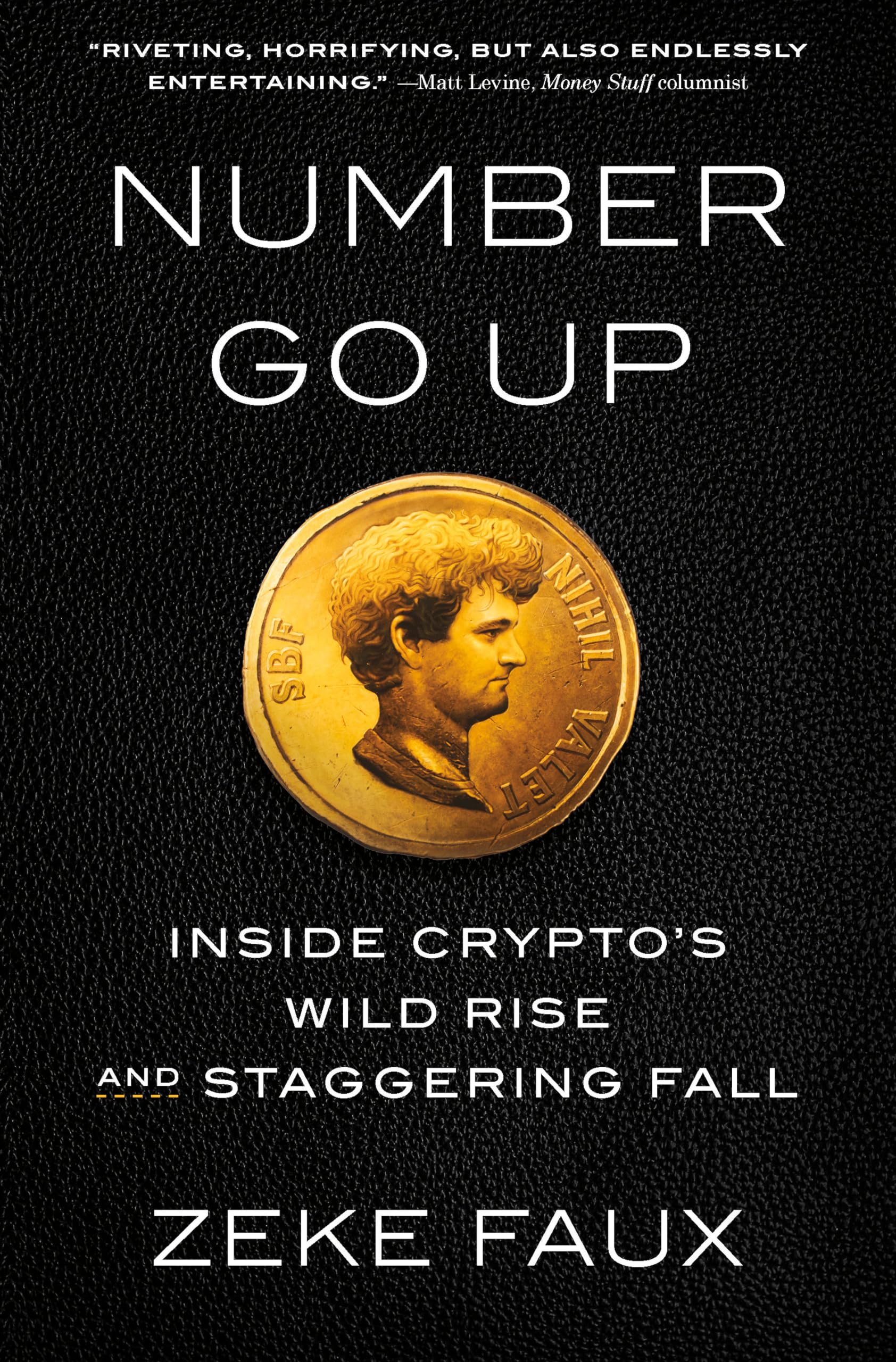
Number Go Up: Inside Crypto’s Wild Rise and Staggering Fall, Zeke Faux
Find it at Snell Library | Listen to the audiobook
In 2021, cryptocurrency went mainstream. Giant investment funds were buying it, celebrities like Tom Brady endorsed it, and TV ads hailed it as the future of money. Hardly anyone knew how it worked — but why bother with the particulars when everyone was making a fortune from Dogecoin, Shiba Inu, or some other bizarrely named “digital asset”? Investigative reporter Zeke Faux had a nagging question: Was it all just a confidence game? What started as curiosity would morph into a two-year, globe-spanning quest to understand the wizards behind the world’s new financial machinery. Faux’s investigation would lead him to a schlubby, frizzy-haired 29-year-old named Sam Bankman-Fried (SBF for short) and a host of other crypto scammers, utopians, and overnight billionaires.
 Empire of Pain: The Secret History of the Sackler Dynasty, Patrick Radden Keefe
Find it at F.W. Olin Library | Listen to the audiobook
The history of the Sackler dynasty is rife with drama — baroque personal lives; bitter disputes over estates; fistfights in boardrooms; glittering art collections; Machiavellian courtroom maneuvers; and the calculated use of money to burnish reputations and crush the less powerful. The Sackler name as adorned the walls of many storied institutions — Harvard, the Metropolitan Museum of Art, Oxford, the Louvre. They are one of the richest families in the world, known for their lavish donations to the arts and sciences. The source of the family fortune was vague, however, until it emerged that the Sacklers were responsible for making and marketing a blockbuster painkiller that was the catalyst for the opioid crisis. Empire of Pain chronicles the multiple investigations of the Sacklers and their company, and the scorched-earth legal tactics that the family has used to evade accountability.
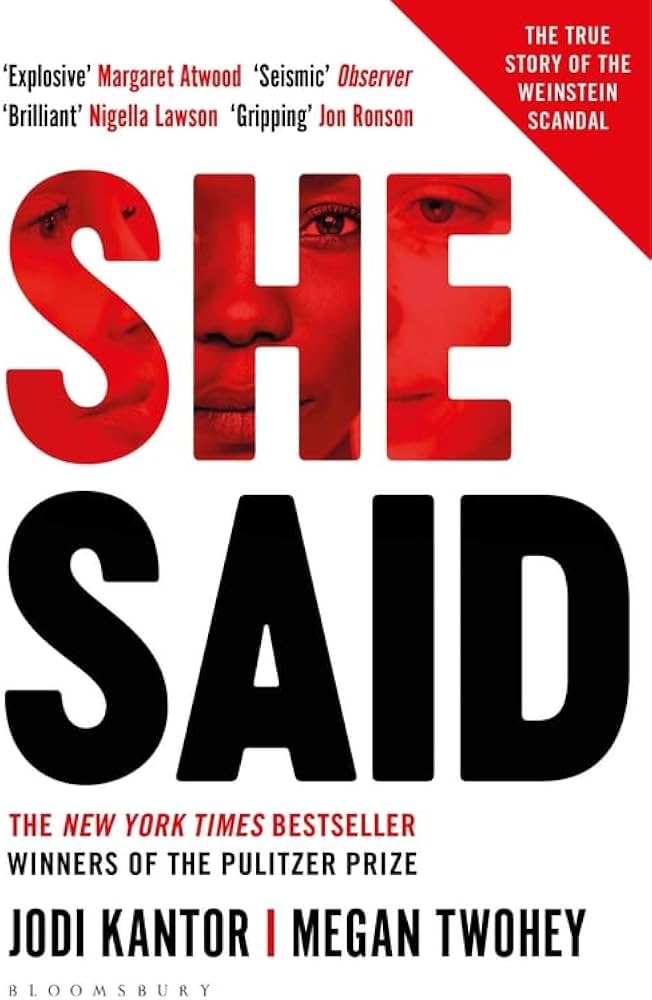 She Said: Breaking the Sexual Harassment Story That Helped Ignite a Movement, Jodi Kantor & Megan Twohey
Find it at Snell Library | Find it at F.W. Olin Library | Read the e-book | Listen to the audiobook
On October 5, 2017, the New York Times published an article by Jodi Kantor and Megan Twohey — and then the world changed. For months, Kantor and Twohey had been having confidential discussions with top actresses, former Weinstein Company employees, and other sources, learning of disturbing long-buried allegations, some of which had been covered up by onerous legal settlements. Within days, a veritable Pandora’s Box of sexual harassment and abuse was opened, and women who had suffered in silence for generations began coming forward, trusting that the world would understand their stories. Over the next 12 months, hundreds of men from every walk of life and industry would be outed for mistreating their colleagues. But did too much change — or not enough? Those questions plunged the two journalists into a new phase of reporting and some of their most startling findings yet.
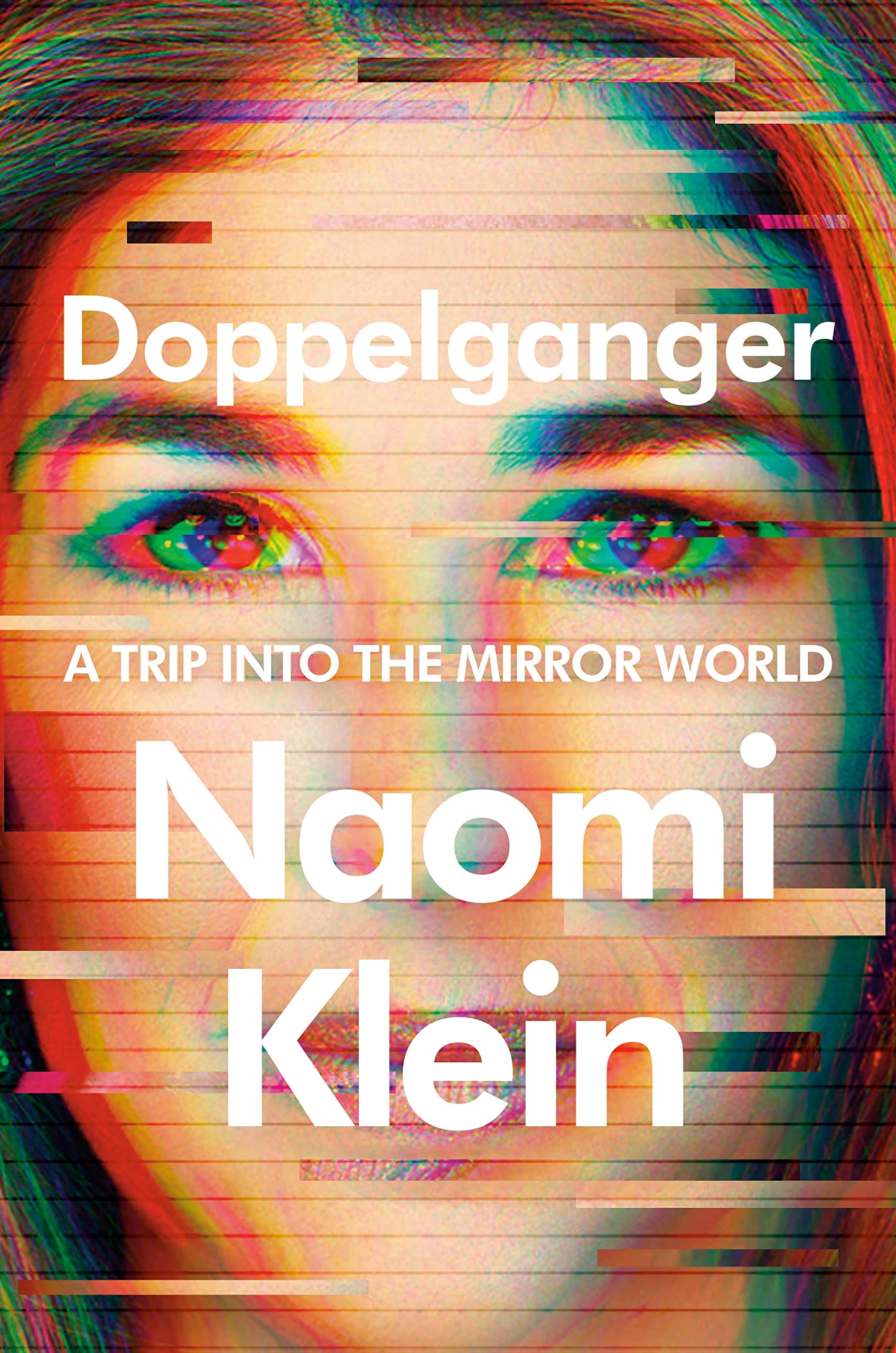 Doppelganger: A Trip into the Mirror World, Naomi Klein
Find it at F.W. Olin Library | Listen to the audiobook
Not long ago, the celebrated activist and public intellectual Naomi Klein was confronted with a doppelganger whose views she found abhorrent but whose name and public persona were sufficiently similar to her own that many people got confused about who was who. Destabilized, she lost her bearings, until she began to understand the experience as one manifestation of a strangeness many of us have come to know but struggle to define: AI-generated text is blurring the line between genuine and spurious communication; New Age wellness entrepreneurs turned anti-vaxxers are scrambling familiar political allegiances of left and right; and liberal democracies are teetering on the edge of absurdist authoritarianism, even as the oceans rise. Under such conditions, reality itself seems to have become unmoored. Is there a cure for our moment of collective vertigo?
Remember: whatever you read, make sure to tell us about it to enter the prize drawing!