We’ve subscribed to Science Translational Medicine due in part to the large number of interlibrary loan requests we’ve received for articles from this journal. Our interlibrary loan service is fast, but now your access to Science Translational Medicine will be even faster – just follow this link to start reading.
Science Translational Medicine focuses on bringing the latest scientific advances from the bench to the bedside. Despite a growing understanding of human biology, utilizing these discoveries to close gaps in medical knowledge has progressed slowly. Science Translational Medicine aims to publish discoveries capable of generating innovative ways to prevent, diagnose, and treat disease.
Coverage includes:
Studies in humans or human tissue that provide new information about therapies or disease
Results from animal models that are likely to apply to patients
Innovative reports of drug discovery and development
Formats:
Full-length original Research Articles
State-of-the-art Reviews identifying the challenges blocking translation and propose innovative solutions
Focus articles and Perspectives presenting topical opinions from science and policy thought leaders
Podcasts with scientists explaining their translational results
Saturday, November 7, 2015 marked Snell Library’s 25th Birthday Celebration, and the library transformed into a veritable bazaar with projects, resources, collections, and artifacts from Northeastern’s history on display, along with interactive activities for all ages. From recording memories in the audio visual studios and watching 3D printers in action, to browsing Cauldron yearbooks and digital research projects, members across the entire Northeastern community joined to reflect on the library’s history and experience what today’s modern facility has to offer.
(Clockwise: Linda Leahy and featured speaker William Fowler; Library Co-op Zach Smith, DMSB’17 scans a student to 3D print their bust; Helen Sharma, SSH’17, reads a book from the Favat collection to a young guest; Dean Wakeling with Jim Smith, E’88 and Amie Smith, AS’87 .)
Dean Will Wakeling and Distinguished Professor of History, William Fowler kicked off the celebration with a special reception to recognize the generosity of library supporters whose contributions have improved library space and collections through the years. As the Chairman of the Campus Campaign to build Snell Library in 1987-1988, Dr. Fowler honored the efforts of fellow leaders including former Senior Vice President for Development, Eugene Reppucci, and the campus campaign co-chairs, committee, and volunteers. Their campus wide effort to build a library raised $1.4 million from over 900 faculty and staff, and is recognized with a quilt on the second floor of Snell Library.
“A quarter of a century ago we, the fabric of the university, came together and through our efforts helped build this library. It changed our world and gave an example of what Northeastern was on the road to be – one of this nation’s great universities. In a very real sense that journey began the day this library opened.”
Boston Phoenix owner Stephen Mindich decided in September to donate the paper’s archives to Snell Library. Photo by Matthew Modoono/Northeastern University
Originally Published in News@Northeastern on November 24, 2015
By Noelle Shough
For nearly 50 years, The Boston Phoenix was Boston’s alternative newspaper of record, the first word on social justice, politics, as well as the arts and music scene. Its intrepid journalists tackled issues from safe sex and AIDS awareness to gay rights, marriage equality, and the legalization of marijuana. Ads for roommates, romantic mates, and band mates—one could find all these and more in the newspaper’s probing, irreverent, entertaining pages.
It ceased publication in March 2013, but the Phoenix will be preserved for posterity—thanks to owner Stephen Mindich’s decision in September to donate the paper’s archives to Northeastern’s Snell Library.
Snell’s Archives and Special Collections already houses an impressive array of historical records of Boston’s social movements, including civil and political rights, immigrant rights, homelessness, and environmental justice.
“The Phoenix never shied away from covering topics of neighborhood interest, supporting the rights of individuals and groups,” says Will Wakeling, dean of University Libraries. “So it will form a perfect complement to this growing collection.”
___
The Boston Phoenix will be preserved in Snell Library’s Archives and Special Collections. Photo by Matthew Modoono/Northeastern University
LOCALHISTORYWRITLARGE
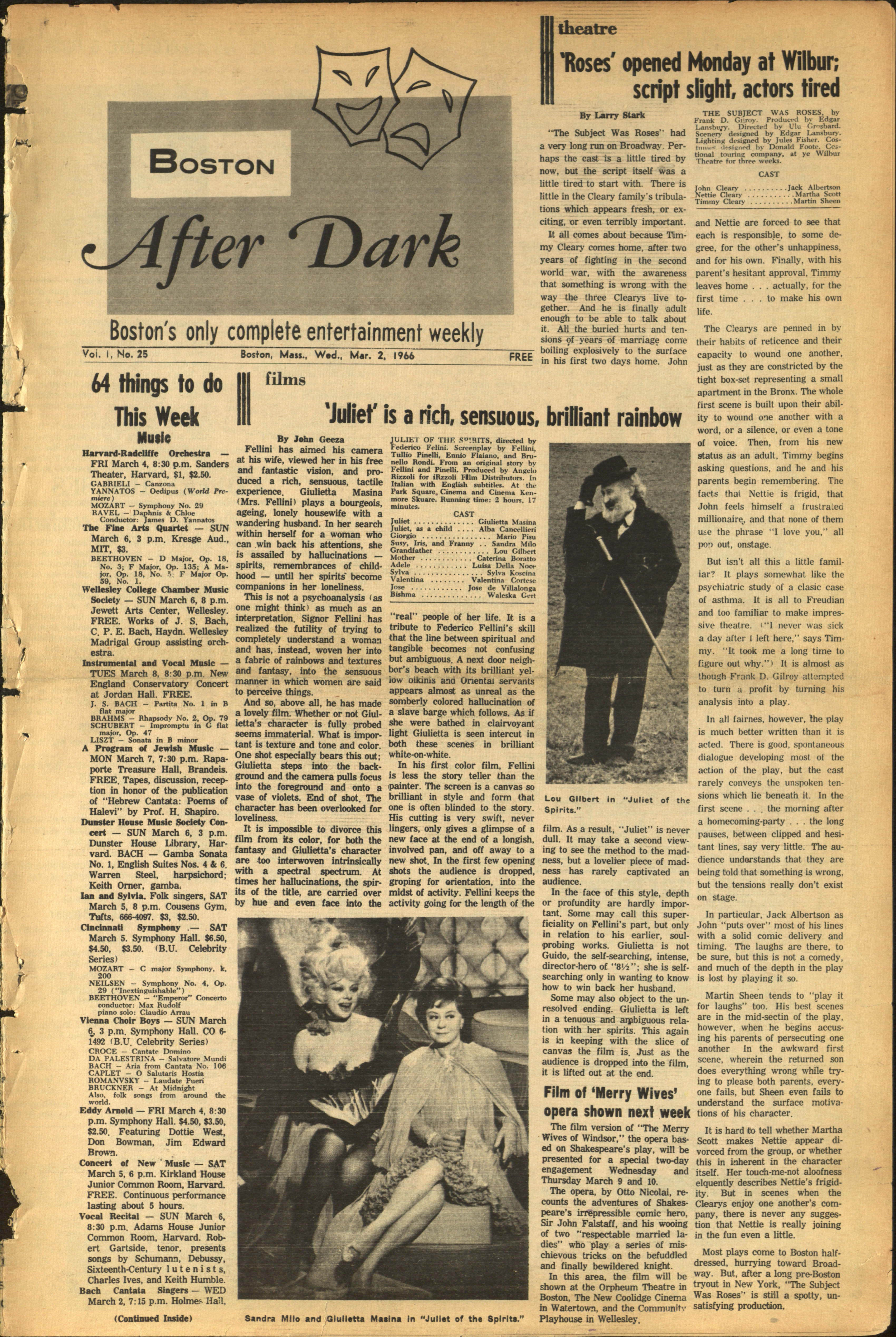
Mindich’s gift encompasses much more than The Boston Phoenix. The archives include sister publications in Worcester, Massachusetts, Portland, Maine, and Providence; Boston After Dark; The Real Paper; the alternative programming of WFNXFM; and Stuff and Stuff at Night magazines. These sources, including a full Web archive of material not included in the print editions, provide a richly nuanced perspective on how people thought and put ideas into action when it came to social issues and social justice from the 1960s to the near-present day. They are documentation of the ways social change happens.
“Our vision for the archives is digitizing all the print and making it fully text-searchable, so all that history lives on,” says Dan Kennedy, associate professor at Northeastern’s School of Journalism and a former Phoenix media columnist and nationally-known media commentator.
Adds Wakeling, “As the library works on the complex digitizing strategy, the archives will be made available to the public.”
The Boston Phoenix not only reported on the news, it made the news. In 1987, during the height of the AIDS crisis, it distributed 150,000 condoms to readers. In 2001, Phoenix reporter Kristen Lombardi described troubling patterns in how Catholic Church leaders were transferring priests accused of sexually abusing children to new parishes. The alternative weekly also followed the evolving rights of the LGBTQ community.
“A great strength of the paper was also its arts coverage, which is also Stephen’s passion,” notes Kennedy. In 1994, writer Lloyd Schwartz won the Pulitzer Prize for Criticism for his coverage of classical music. Many former Phoenix writers—Susan Orlean, David Denby, Mark Leibovich, and Michael Rezendes among them—went on to illustrious careers at top U.S. newspapers and magazines.
Though Boston’s anti-establishment spirit has faded somewhat over the years, Mindich’s donation ensures that its history never will. “Scholars and researchers in this area will be licking their lips in anticipation,” says Wakeling.
Chances are that you, your parents, or your grandparents experienced the 60s. Whether you did or didn’t, The Sixties: Primary Documents and Personal Narratives: 1960-1974 is a fascinating glimpse into the cultural, political, and social upheavals that shook the nation and the world during that tumultuous period. You’ll enjoy exploring the database’s primary source materials, which include oral histories, diaries, letters, and alternative or underground publications. It’s groovy, man!
We’ve expanded our subscription to the journal Neurology. Accessed nearly 1,000 times by Northeastern users in the past year alone, NU faculty, staff, and students now have full-text online access to all Neurology issues from 1951-present.
Neurology is the official journal of the American Academy of Neurology. The journal aims to advance the field of neurology by presenting new basic and clinical research with emphasis on knowledge that will influence the way neurology is practiced.